The Carpenter Model of Development
When you hire a carpenter, you're paying for time and skill. That's how we think about building software for small businesses.
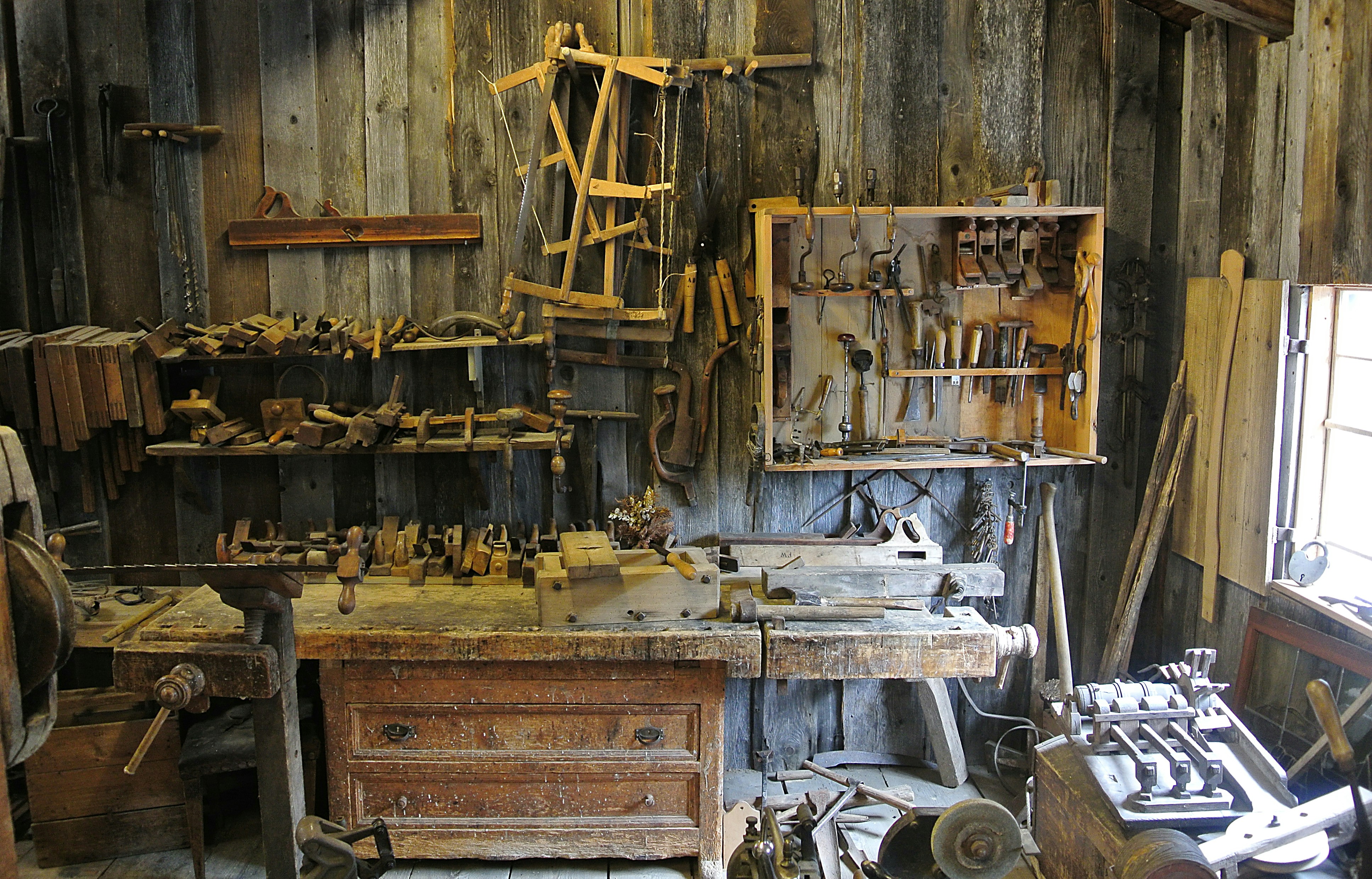
I have taken to telling people that the business model that’s going to work best for AI-assisted development is what I like to call “the carpentry model”.
When you hire a carpenter, you’re paying for time and skill, not just for wood. Not for the finished product, exactly. You’re paying for the person who can look at your kitchen and help you see what belongs there, and then goes and builds it.
The carpenter doesn’t charge you differently because you want a dining room table instead of a bookcase. Materials cost what they cost. Labor costs what it costs. What changes is the scope of the work, not the nature of the transaction.
This is how I think about building software for small businesses these days. It’s a much different deal than what companies have been used to.
How Most Companies Buy Software Today
Most businesses buy software one of two ways. They subscribe to a packaged product that does approximately what they need, then spend years adapting their workflow to the software instead of the other way around. Or they pay a development firm a large fixed price, cross their fingers, and hope the scope doesn’t balloon and the developer doesn’t disappear halfway through.
Neither looks like hiring a carpenter. Both look like buying a dining room table sight unseen.
How We Work
Here’s what we do. You bring us in when you have a project. We learn your business. Not the brochure version. The real version. How your front desk actually handles intake. What your office manager’s spreadsheet tracks that your practice management software doesn’t. Where the bottlenecks are that nobody talks about because everyone’s just used to them.
Then we build. Maybe it’s a dashboard that shows you data you collect but have never seen. Maybe it’s automating a manual process that eats four hours a week or fourteen. When the project’s done, we don’t disappear. We monitor what we built. We maintain it. And if it breaks, we fix it. Fast.
You’re not paying for access to our platform. You’re not licensing our tools. You’re paying for someone who knows your environment, your data, and your people. Someone who builds the thing and knows how it works end to end.
Why It Compounds
And here’s the part that compounds: the carpenter who’s been building with you for six months learns your house and your tastes. The second project is better than the first. Your context becomes our context, and that’s worth more than any piece of software we’ll ever build for you.
Good carpenters get repeat business. Not because they engineer dependency into the bookcase, but because the bookcase turned out even better than you imagined.